
2014
Determination of Ochratoxin A and Aflatoxins in post-harvest organic coffee in Chiriquí and Ngöbe-Buglé
Project that produced a scientific article and a technical manual.
Projects
Research projects documented in the centre's institutional record.
Project that produced a scientific article and a technical manual.
Internships, activities and outputs of the UNACHI-CIRN Think Tank.
Graduate research applying NIR spectroscopy and chemometric tools to the analysis of caffeine, protein and fat in specialty green coffee from Chiriquí.
Assessed the occurrence and determinants of aflatoxin M1 (AFM1) in raw milk, and of aflatoxin B1 (AFB1) in cattle feed, on farms in Chiriquí.
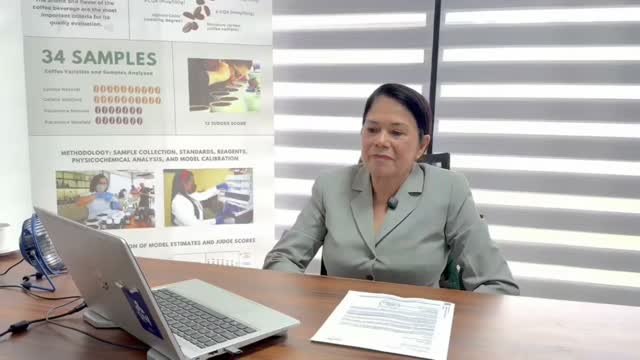
Long-running research line on caffeine, polyphenols, antioxidant activity, mycotoxins, sensory quality and NIR spectroscopy with chemometrics in Panamanian coffee.
Institutional research report on sustainability and biodiversity conservation in western Panama.
Assessment of mycotoxins in post-harvest organic coffee to offer growers a technological analysis service. Its outputs were an article in the journal ALAN and a technical manual.
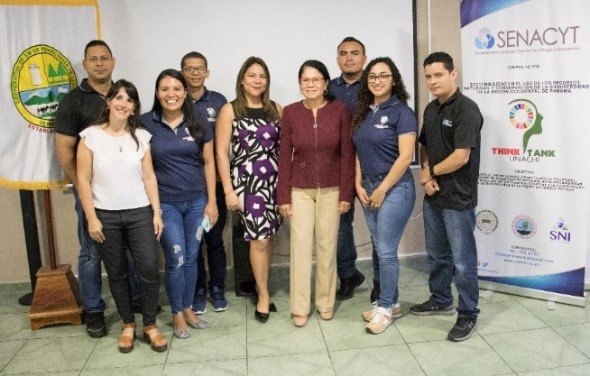
Think tank devoted to sustainable development, with a particular focus on western Panama.
Mapped Panamanian coffee varieties and their sampling areas and analyzed them using UV-VIS, atomic absorption, HPLC and gas chromatography; sensory cupping related bioactive compounds to variety, cultivation and processing.
Network collaboration on the arts, human ecology, culture and sustainability, recorded in CIRN's 2015 institutional report.
Technology transfer and community training on the sustainable use of fungal biodiversity and the artisanal cultivation of native Pleurotus djamor in Ngäbe-Buglé communities.
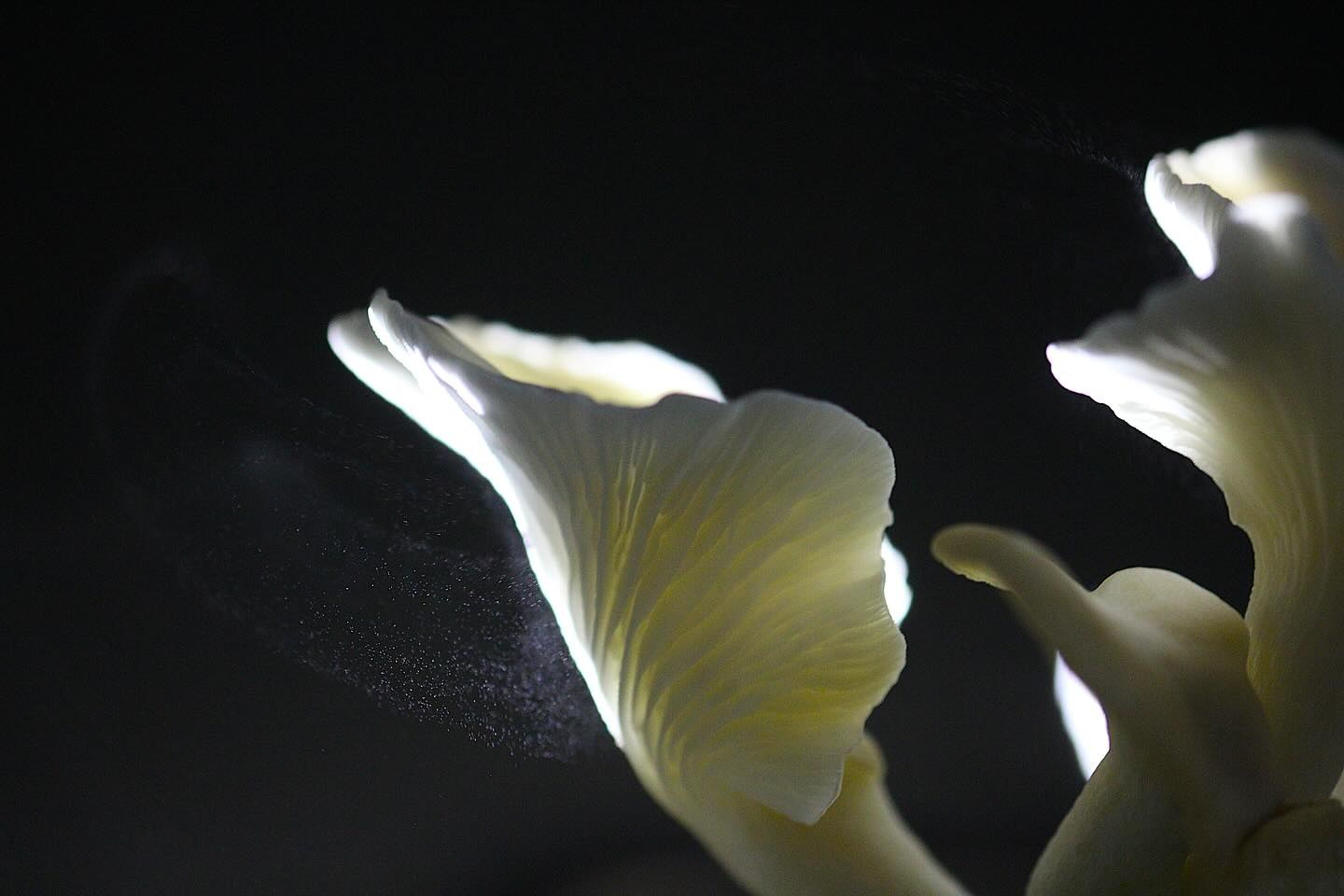
Research facility created to study and sustainably use Panama's fungal diversity through edible-mushroom biotechnology.
Research and production exchange on sugarcane biomass, energy, derivatives, competitiveness and environmental protection.
Think Tank project bringing together academic, government and productive-sector actors around the sustainable use of natural resources and biodiversity.
Manuscript in preparation listed in CIRN's January–July 2021 activity report.
Manuscript in preparation in 2021; this research line culminated in the 2025 publication on aflatoxin M1.
Manuscript in preparation in 2021; this research line led to the article on mycotoxins in rice published in 2022 in the Journal of Toxicology.
English-language manuscript in preparation, listed among CIRN's 2021 research outputs.
Strategic plan translating the Think Tank's research into regional priorities for the sustainable management of natural resources.
Science outreach for secondary-school students that used edible fungi, HPLC and infrared spectroscopy to showcase research in chemistry and natural resources.
CIRN maintained and produced edible mushroom species for research and sale, and transferred Pleurotus and shiitake production technology through training.
CIRN provided scientific advice and analytical support; the Specialty Coffee Association of Panama supplied green and roasted coffee samples.
In 2015 CIRN reported an unidentified fungus undergoing molecular tests to determine whether it represented a new genus or species, with potential pharmacological and food applications; biology students collected material for their theses.
Research project using near-infrared (NIR) spectroscopy coupled with chemometrics to identify the geographic origin of Panamanian coffee.
Undergraduate chemistry thesis assessing tannin and flavonoid content in green and roasted specialty coffee from Chiriquí.
Master's thesis on the volatile compounds of Panamanian specialty coffee and their relationship with sensory quality, carried out at CIRN.
Undergraduate chemistry thesis that used immunoaffinity ELISA to determine ochratoxin A and total aflatoxin levels in processed coffee from mills in Boquete, Bugaba, Dolega and Renacimiento (Chiriquí).
Student research on caffeine quantification in commercial Panamanian coffee brands, which preceded the scientific article on caffeine published in 2014.
Undergraduate chemistry thesis (December 2015) on how supplementing rice-straw substrate with fishmeal affects the lipid and nutritional profile of Pleurotus djamor.
Two undergraduate Biology students working on theses about fungal groups joined a CIRN scientific field trip in 2015, collected specimens and used the activity for their graduation work.
In 2015 Hermine Lotz and Javier De León collected and reviewed fungal specimens in Panama, and samples were sent to Germany for identification.